Ultimate Big Bore Shock Maintenance Guide for RC Cars
Maximize Performance, Control, and Durability
Table of Contents
Introduction: Why Shock Maintenance Matters
What Are Big Bore Shocks?
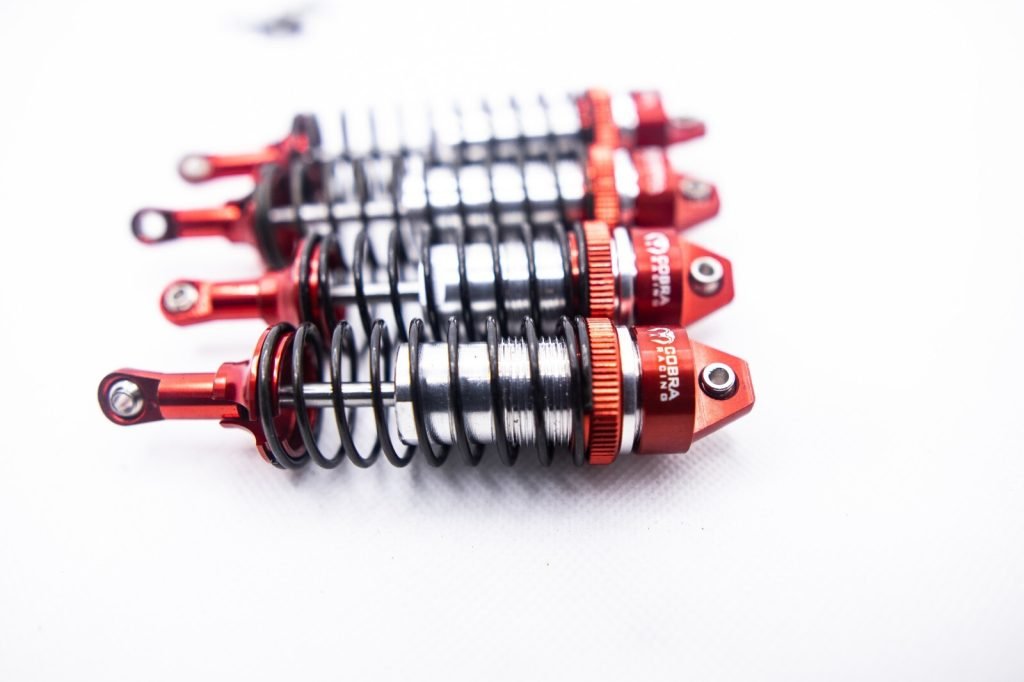
Key Components of Big Bore Shocks
Tools and Supplies You’ll Need
Choosing the Right Shock Oil Weight
How Often Should You Service Big Bore Shocks?
Step-by-Step Guide to Rebuilding Big Bore Shocks
Tuning Big Bore Shocks for Maximum Performance
Common Issues and How to Fix Them
Maintenance Tips for Longevity
[Placeholder: Insert Your Product Here]
Final Thoughts
Summary
1. Introduction: Why Shock Maintenance Matters
Big bore shocks are the heart of your RC suspension system. Whether you're bashing over rough terrain or racing on a high-grip track, your shocks do the heavy lifting—literally. But even the best big bore shocks won’t perform well if they’re not regularly maintained.
Neglecting your shocks leads to:
In this blog, we’ll show you how to clean, service, and tune big bore shocks like a pro, ensuring your RC car stays race-ready and trail-tough.
2. What Are Big Bore Shocks?
Big bore shocks are larger-diameter dampers that hold more oil and use wider pistons than standard shocks. The benefits?
They’re especially popular on 1/8 and 1/10 scale RC vehicles, from buggies and truggies to short course trucks and monster trucks.
Typical Big Bore Sizes:
3. Key Components of Big Bore Shocks
Understanding the anatomy of a shock is essential for proper maintenance. Here are the major parts:
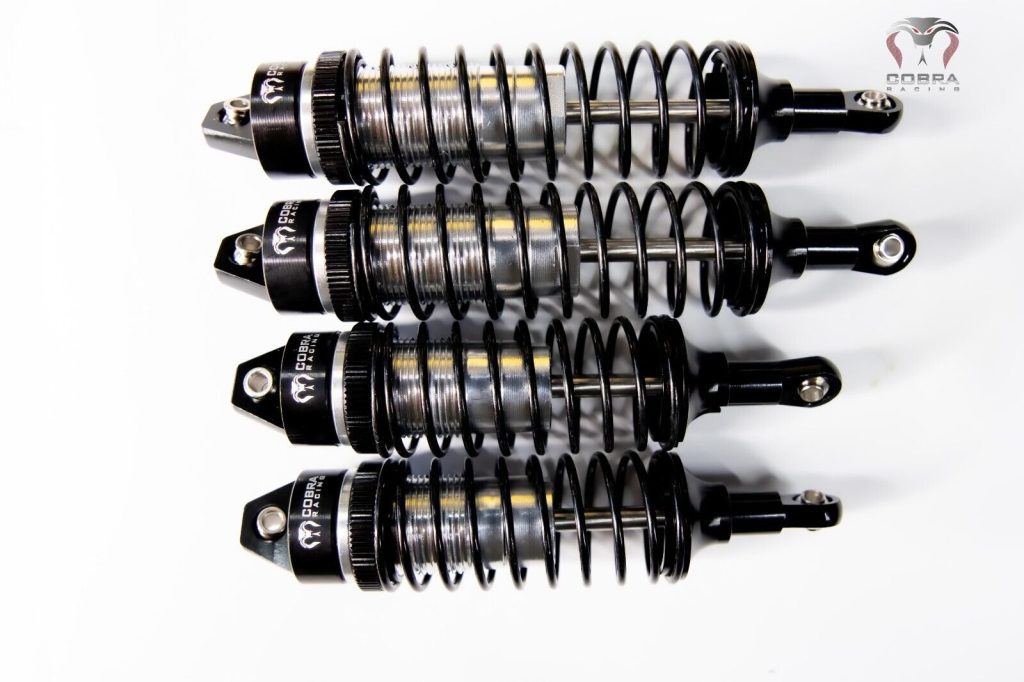
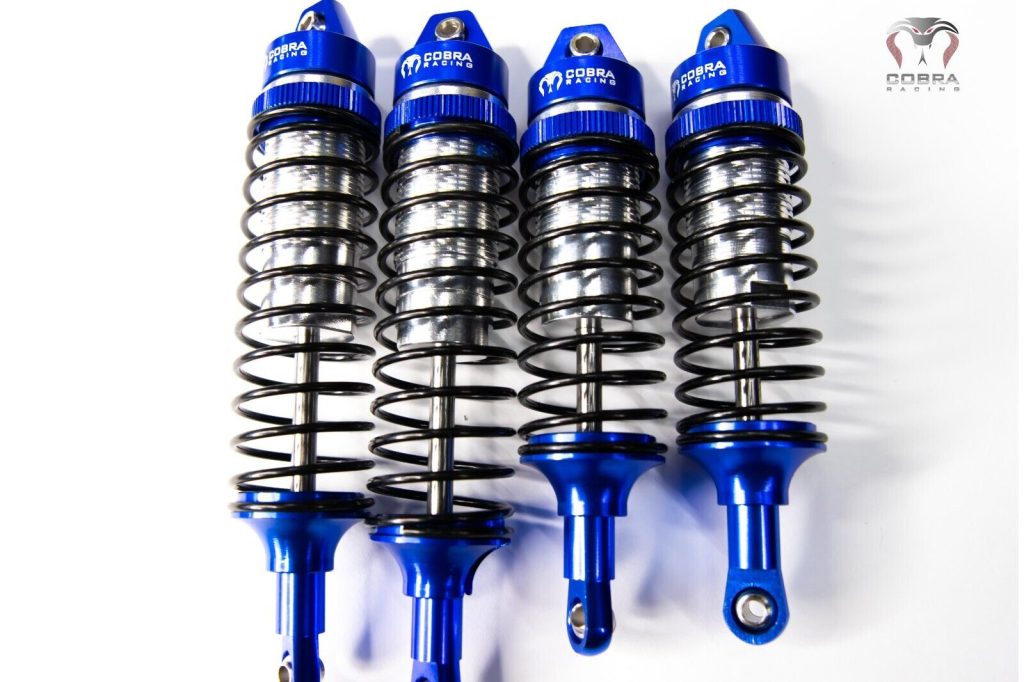
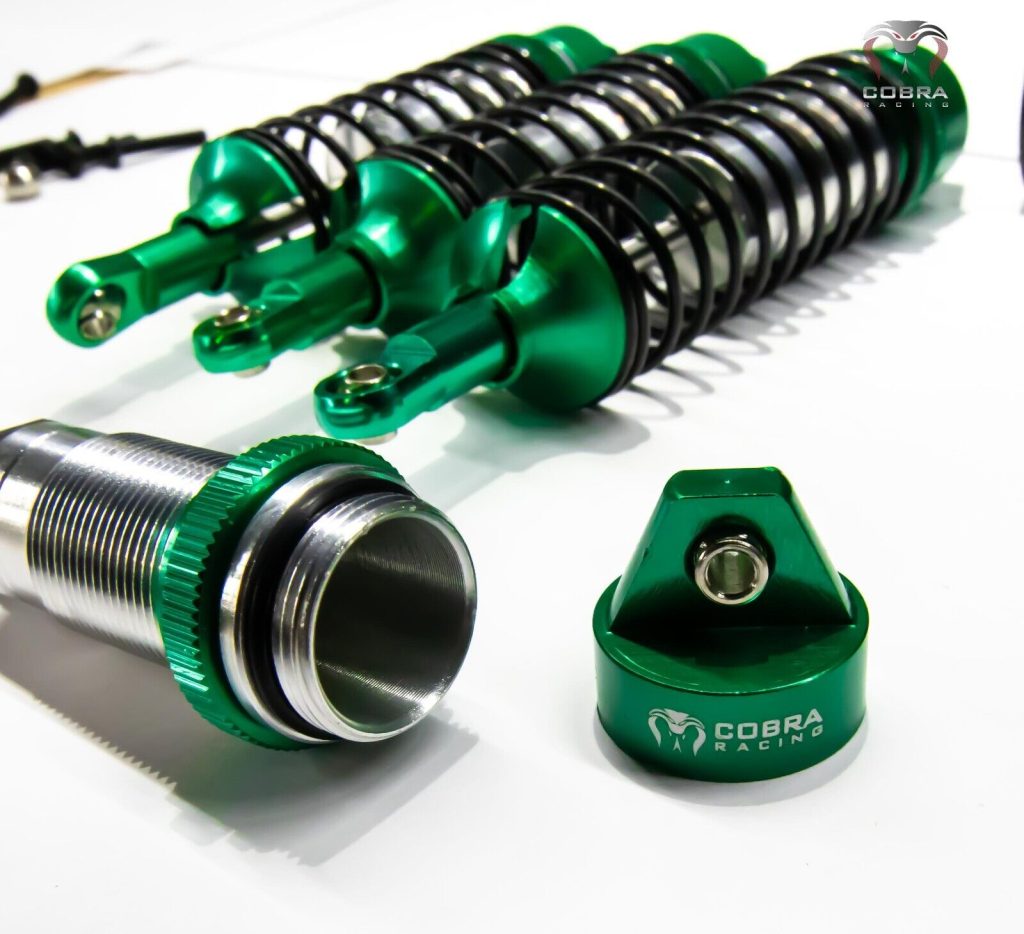
Shock Body – Holds the shock oil. Usually made of aluminum or plastic.
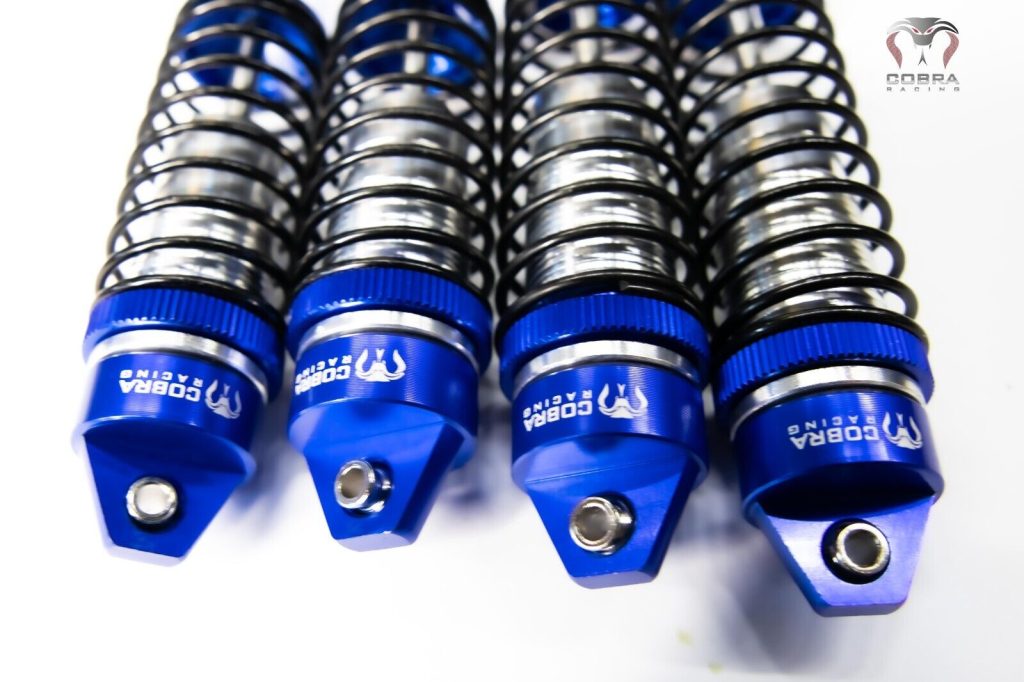
Shock Cap – Seals the top of the shock.
Piston and Shaft – Moves through the oil to provide damping.
Shock Oil – Determines the damping rate.
O-Rings/Seals – Prevent leaks around the shaft.
Spring – Provides resistance and ride height.
Preload Collar – Adjusts spring tension.
When one of these fails or wears out, you’ll feel it in how your car handles.
4. Tools and Supplies You’ll Need
Before diving into shock maintenance, gather the following:
Essential Tools:
Shock pliers
Pick or O-ring tool
Phillips and hex drivers
Needle-nose pliers
Shock stand or tray
Supplies:
High-quality shock oil (various weights)
Rebuild kit (O-rings, bladders, seals)
Clean rags or paper towels
Isopropyl alcohol for cleaning
Silicone grease for seals
Caliper (optional, for measuring preload and shaft lengths)
5. Choosing the Right Shock Oil Weight
Shock oil weight is crucial in how your RC car absorbs impacts and handles terrain.
Common Shock Oil Ranges:
Conversion Chart: CST vs WT
How to Choose:
Thinner Oil (Lower WT): Faster piston movement, more plush suspension
Thicker Oil (Higher WT): Slower piston movement, stiffer feel
Factors that affect your oil weight choice:
Pro Tip: Start with the manufacturer’s baseline recommendation, then tune up or down in 5wt increments.
6. How Often Should You Service Big Bore Shocks?
General Guideline:
Every 5–10 runs for bashers
Every race day for competitive racers
Immediately after wet, muddy, or sandy conditions
Signs your shocks need attention:
Loss of rebound
Leaking oil around shaft or cap
Clicking or sticking sounds
Inconsistent cornering or bottoming out
7. Step-by-Step Guide to Rebuilding Big Bore Shocks
Step 1: Remove the Shocks
Use your hex driver to remove the shocks from the suspension arms. Label front vs rear if they’re different lengths or settings.
Step 2: Drain the Old Oil
Unscrew the cap and slowly cycle the shock shaft to push out the oil. Let it drain fully into a container or rag.
Step 3: Disassemble and Inspect
Remove the spring and preload collar
Carefully unscrew the lower cartridge
Remove shaft, piston, O-rings, and seals
Check for bent shafts, cracked pistons, or deteriorated O-rings
Step 4: Clean Everything
Wipe down all parts with isopropyl alcohol. Use a brush for stubborn gunk. Avoid scratching the shock shaft!
Step 5: Rebuild with Fresh Seals
Install new O-rings and apply a dab of silicone grease. Reinstall shaft and piston into the shock body carefully.
Step 6: Fill with Oil
Slowly fill shock body 3/4 full with oil
Cycle the shaft to remove air bubbles
Top off with oil and let sit for 5–10 minutes
Step 7: Bleed and Seal
Depending on your shock type:
Emulsion shocks – Tighten cap slowly while bleeding excess oil
Bladder shocks – Insert bladder first, then cap while avoiding overflow
Make sure rebound is consistent across all shocks.
Step 8: Reinstall and Test
Attach the shocks back to your rig. Compress them to verify smooth operation with no leaks.
8. Tuning Big Bore Shocks for Maximum Performance
Shock tuning involves more than just oil weights. Here's what you can tweak:
Springs:
Pistons:
Preload and Ride Height:
Use preload collars to adjust how much initial tension is on the spring. This affects how quickly weight transfers during acceleration, braking, or cornering.
Front vs Rear Bias:
9. Common Issues and How to Fix Them
10. Maintenance Tips for Longevity
Always store your RC car upright so oil doesn’t pool in one side
Avoid over-tightening caps—this can crush bladders or seals
Label your oil bottles with last-used date and conditions
Use a shock dyno (if available) for consistent performance readings
Keep a shock logbook to track oil changes and tuning setups