Why Your Spur Gear Keeps Stripping (And How to Stop It)

If you’ve been in RC long enough, you’ve probably stripped a spur gear. Maybe once. Maybe ten times. Maybe so many times that you keep spares in your pit bag and just accept it as “part of the hobby.”

It doesn’t have to be that way.

Spur gears don’t fail randomly. They fail for very specific reasons — and once you understand what’s actually killing them, you can stop replacing them every few weekends.

Let’s break it down.

Plastic vs Metal Spur Gears – Differences, Pros & Cons

Most RTR vehicles ship with plastic spur gears because they’re inexpensive and quiet. On lower power setups, they work fine. Once power levels go up, weight increases, or traction improves, plastic spur gears start showing their limits.

Plastic Spur Gears

Pros

  • Quiet operation

  • Low cost

  • Slight shock absorption

Cons

  • Heat softens teeth

  • Deforms under load

  • Short lifespan on brushless setups

  • Very sensitive to mesh and alignment

Plastic spur gears usually don’t snap. They slowly melt, smear, and round off. Once tooth shape is compromised, failure is inevitable.

Metal Spur Gears

Pros

  • Holds tooth shape under heat

  • Handles high torque

  • Much longer lifespan

  • Consistent engagement

Cons

  • Slightly louder than plastic

  • Transfers load to other drivetrain components

Metal spur gears remove the spur as the weak link. If something else is going to fail, you’ll find out — but you won’t be burning through spur gears.

32P vs 48P – What’s the Difference?

Pitch refers to tooth size.  Lower number = larger tooth.

32 Pitch (32P)

  • Large, thick teeth

  • Designed for torque

  • Ideal for 4x4 platforms

48 Pitch (48P)

  • Smaller, finer teeth

  • Smoother engagement

  • Ideal for 2WD platforms

Trying to run 48P on a heavy 4x4 brushless truck is a recipe for stripped gears.

For 4x4 Slash / Rustler platforms:
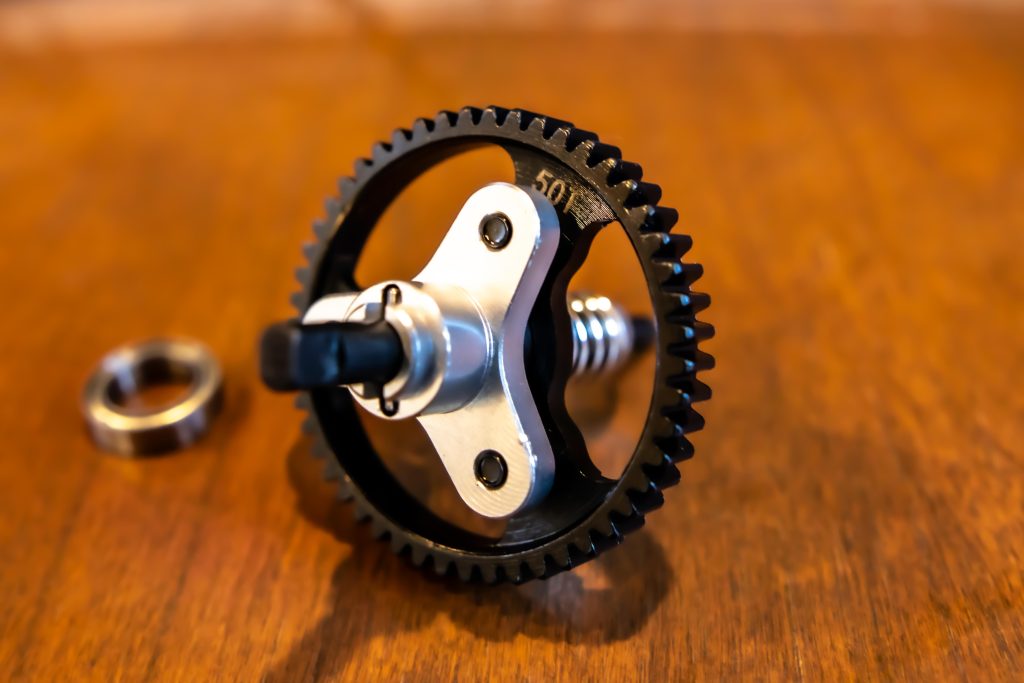
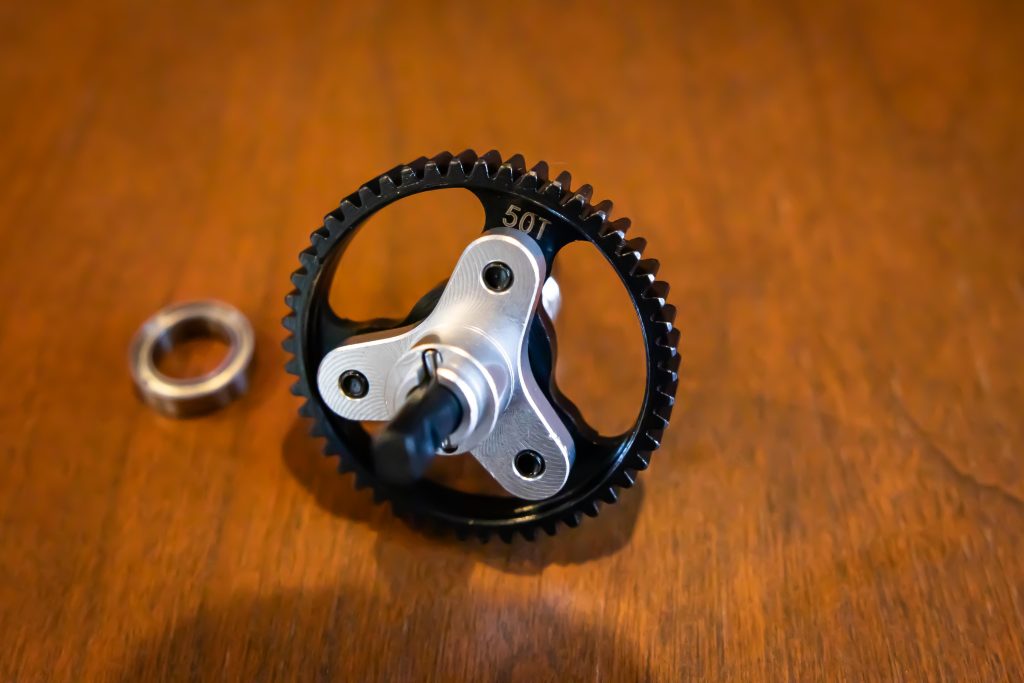
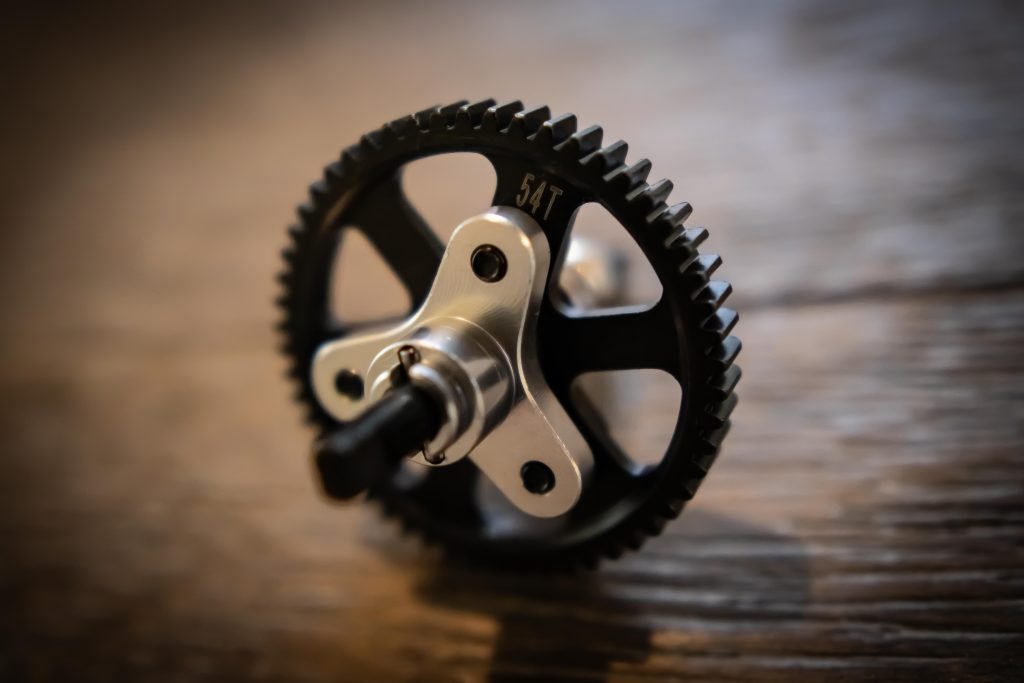
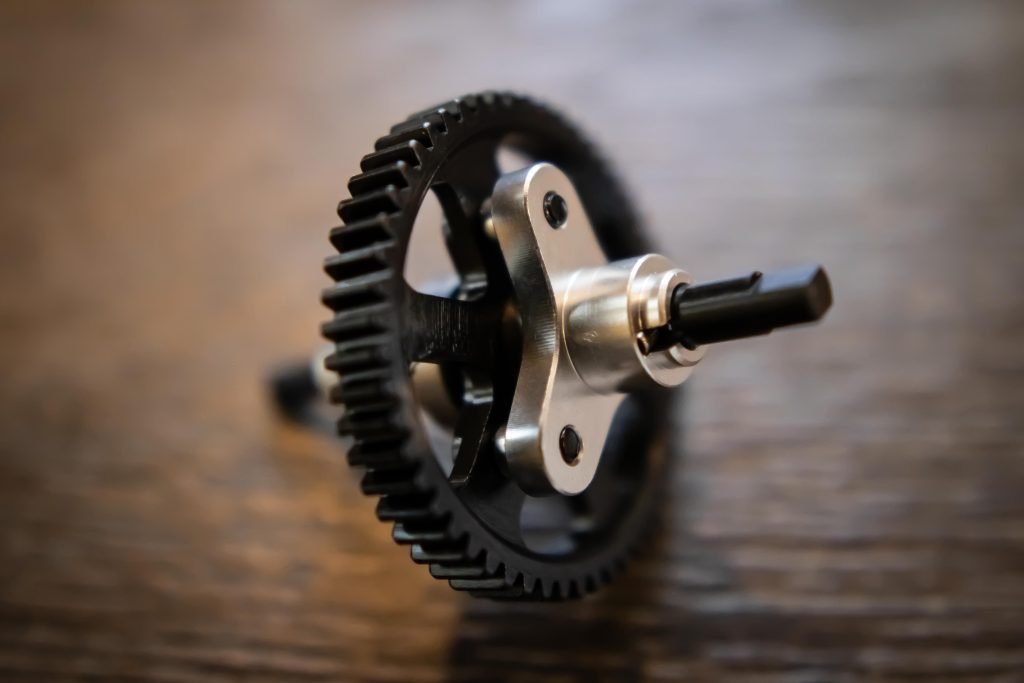
Cobra Racing 54T Metal Spur Gear 32P with Clutch Eliminator

If you prefer to retain a slipper clutch:
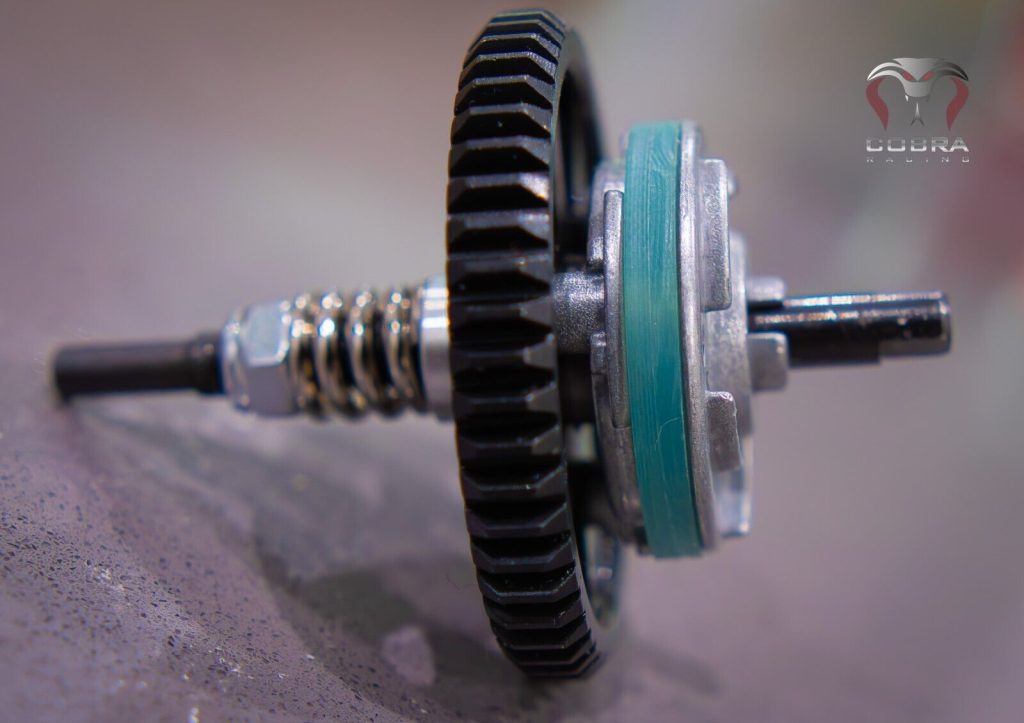
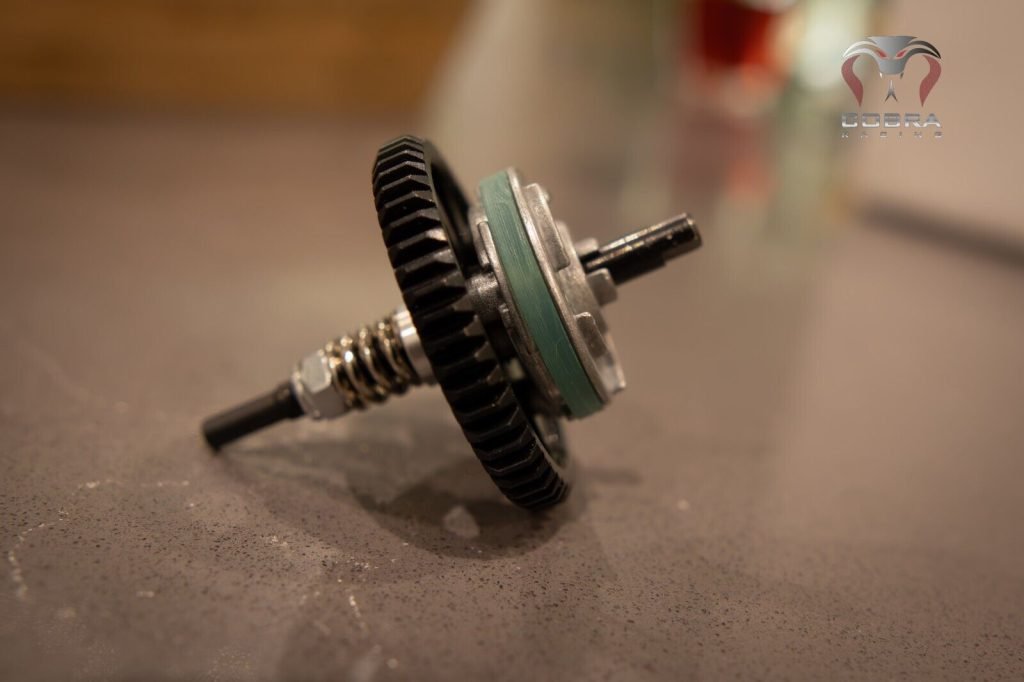
Cobra Racing 54T Metal Spur Gear 32P with Full Clutch Assembly

For 2WD platforms:
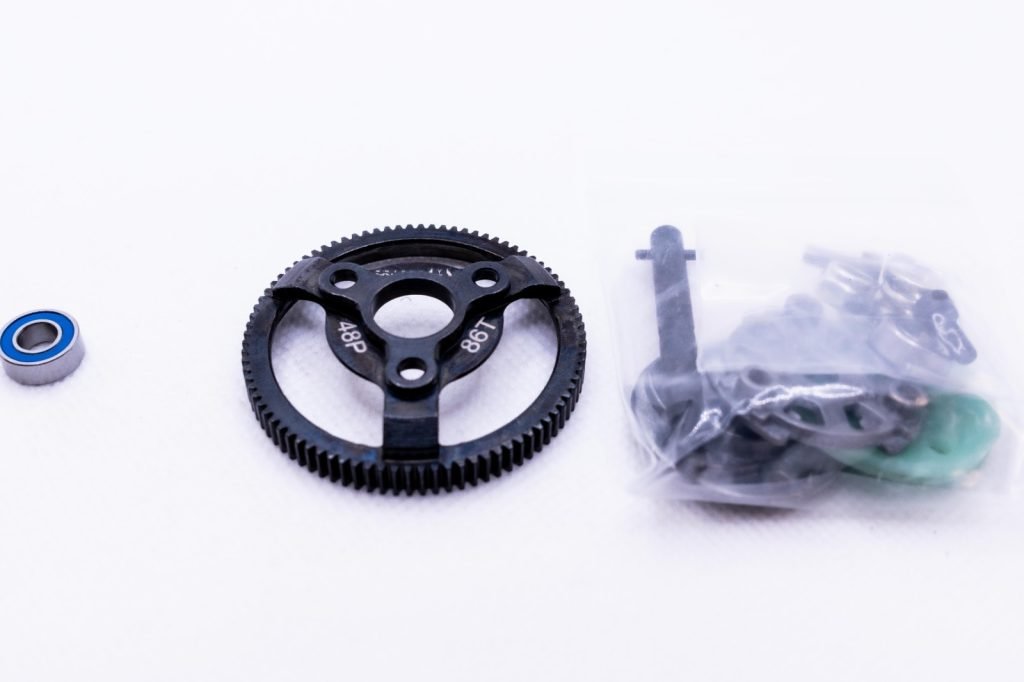
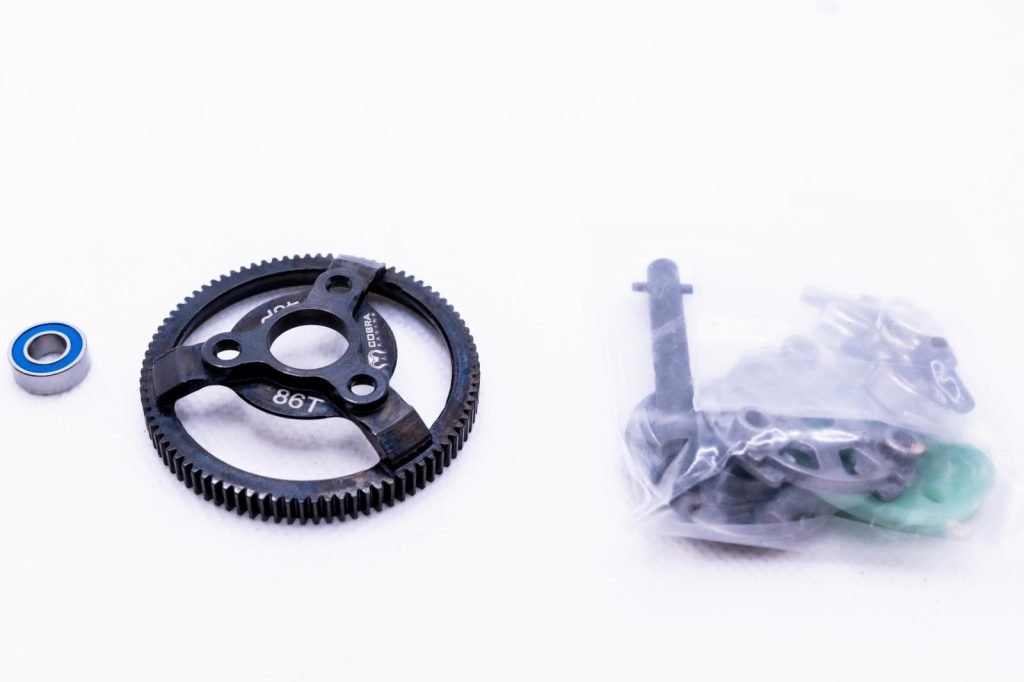
Cobra Racing 86T Spur Gear 48P Full Assembly

Spur Gear with Slipper Clutch vs Clutch Eliminator

Both options work. They simply serve different driving styles.

Slipper Clutch

The slipper clutch allows controlled slip under heavy load.

Best for

  1. Racing

  2. Mixed driving

  3. Drivetrain protection

Pros

  • Smooth launches

  • Reduces shock load

  • Protects diffs and shafts

Cons

  • Pads wear

  • Requires adjustment

  • Can slip excessively if set wrong

Clutch Eliminator

Eliminator = direct drive.

Best for

  • Bashing

  • Speed runs

  • Wheelie setups

Pros

  • Instant throttle response

  • Maximum power transfer

  • Fewer moving parts

Cons

  • Harder on drivetrain

  • Easier to wheelie

Proper Gear Mesh – The Real Spur Killer

Most stripped spur gears aren’t caused by weak gears. They’re caused by incorrect mesh.

Too tight = heat
Too loose = skipping

Both destroy spur gears.

You’re looking for a small amount of controlled movement between pinion and spur.

How to Set Proper Gear Mesh (Before Using Any Method)

The pinion and spur should fully engage without binding.

There should be a tiny amount of play when you rock the spur gear back and forth.

If there’s zero movement, it’s too tight.
If there’s obvious slop, it’s too loose.

The Paper Method (Reliable and Repeatable)

  1. Loosen motor screws

  2. Insert a strip of printer paper between gears

  3. Press motor inward

  4. Tighten motor screws

  5. Rotate gears and remove paper

Gears should spin freely with slight play.

Setting Mesh by Feel (Advanced)

Rock the spur back and forth.

You should feel a slight tick of movement.

Spin the drivetrain by hand. It should rotate smoothly.

High Spot vs Low Spot (Critical Step)

No spur gear is perfectly round.

Slowly rotate the drivetrain by hand and find the tightest point.

Set your mesh based on that tightest point.

That tightest point must still spin freely.

If any position binds, back the mesh off slightly.

This step alone prevents many premature failures.

Wheelie Machines – Pros & Cons

Eliminator setups turn trucks into wheelie monsters.

Pros

  • Massive punch

  • Simple setup

Cons

  • Harder on drivetrain

  • Less controllable

Slipper setups trade some punch for longer drivetrain life.

Center Differential vs Traditional Spur Assembly

Some drivers run a center differential instead of a slipper or eliminator.

Pros

  • Smoother power delivery

  • Better handling on loose surfaces

Cons

  • More tuning

  • Less raw hit

For drivers interested in this option:
CR 54T Center Differential for Slash / Rustler / Stampede / Hoss

Example of the Cobra Racing Center Differential for the Traxxas Slash 4x4 & similar models.

Final Thoughts

Spur gears don’t have to be consumables.

Match the pitch to the platform.
Choose the right drive style.
Set mesh correctly.

Do those three things and spur gear failures become rare.

For more deep-dive engineering content, setup philosophy, and no-nonsense RC tech breakdowns, the full archive lives here.

SUMMARY

  • Plastic spurs wear fast

  • Metal spurs last

  • 4x4 = 32P

  • 2WD = 48P

  • Slipper = smoother

  • Eliminator = more punch

  • Proper mesh matters most

Leave a Reply

Your email address will not be published. Required fields are marked *